
The bathroom drain floor is one of the most searched drainage products in modern bathrooms, kitchens, and commercial facilities. Whether you are renovating an existing wet area or designing a new building, choosing the right bathroom drain floor directly affects drainage performance, odor control, and long-term maintenance costs.
This guide covers everything you need to know about bathroom drain floor: how it works, available types, materials, sizing, installation best practices, common problems, and expert buying advice. By the end, you will know exactly which bathroom drain floor suits your project and how to avoid costly installation mistakes.
At Movanty Drain, we manufacture stainless steel drainage solutions for over 17 years, supplying distributors, contractors, and project owners across 38+ countries. Our engineering team has compiled this guide from real project experience.
What Is a Bathroom Drain Floor?
For more technical background, see the Wikipedia drainage reference.
A bathroom drain floor is a drainage fitting installed at the lowest point of a wet area to collect and channel water into the waste pipe system. Unlike traditional point drains that occupy a small square opening, a well-designed bathroom drain floor distributes water across a wider surface, reducing pooling and improving the user experience.
The core components of a bathroom drain floor typically include: a top grate or cover, a sealed body or housing, a water seal or anti-odor cartridge, and a connection outlet to the drainage pipe. High-quality models are made of 304 or 316 stainless steel for corrosion resistance and long service life.
Understanding the anatomy of a bathroom drain floor helps you compare products accurately. The grate affects flow rate and aesthetics; the body determines load-bearing capacity; the internal cartridge controls odor and pest barriers; and the outlet size must match your plumbing specification.
Key Benefits of Choosing the Right Bathroom Drain Floor
Investing in a quality bathroom drain floor delivers measurable benefits over the life of your building. First, proper drainage prevents water damage, mold growth, and slippery surfaces that cause accidents. Second, an efficient bathroom drain floor reduces standing water, which is the primary cause of drain odor and pest attraction.
Third, a premium-grade stainless steel bathroom drain floor resists corrosion from cleaning chemicals, moisture, and environmental exposure, lasting 15 to 20 years compared to plastic alternatives that yellow or crack within 3 to 5 years. Fourth, modern designs offer tile-in or invisible finishes that elevate the visual appeal of premium bathrooms and kitchens.
Finally, the right bathroom drain floor simplifies maintenance. Removable grates and cleanable cartridges mean you can clear hair, soap scum, and debris in minutes without specialized tools or professional help.
Types and Materials Available
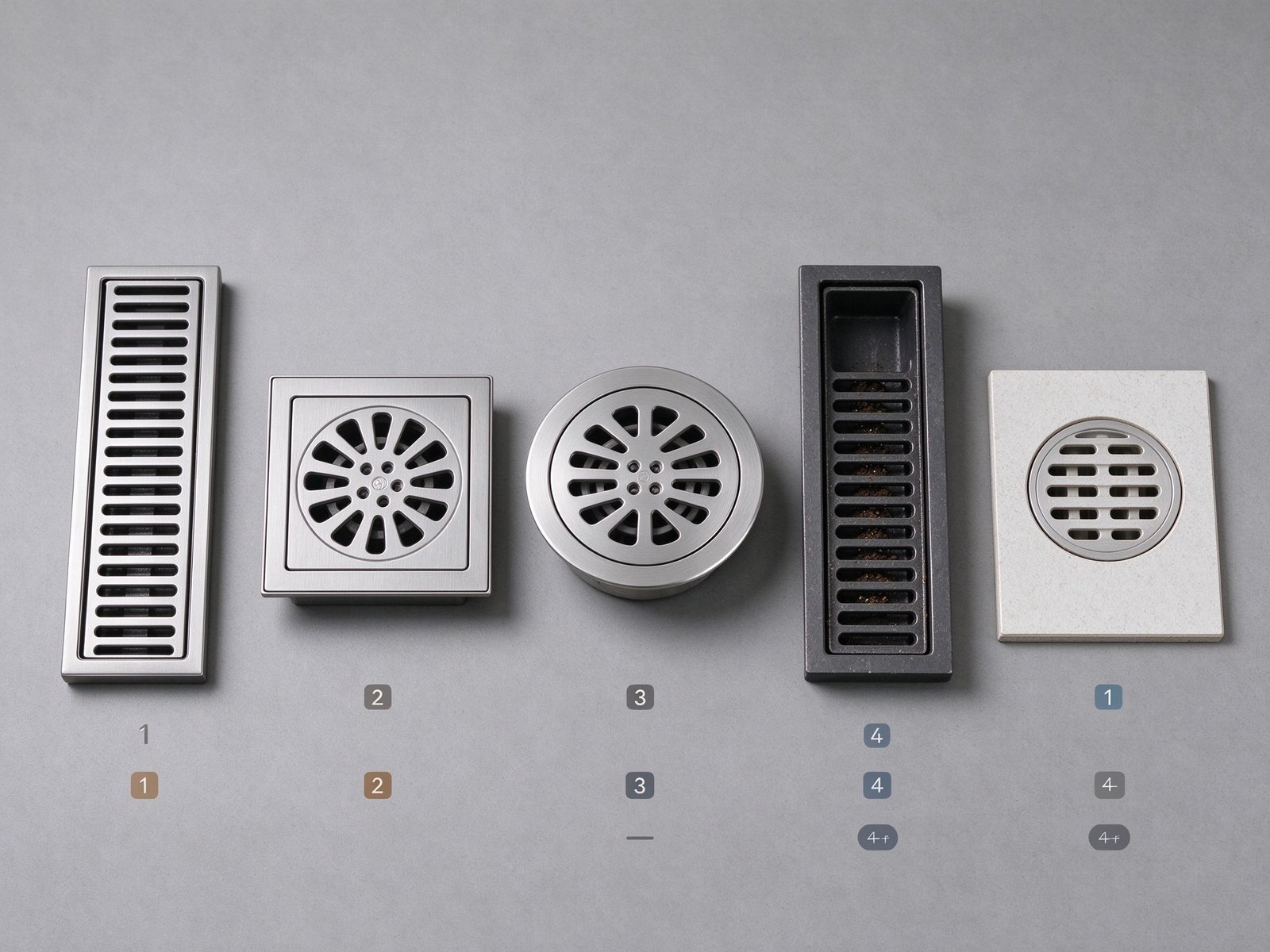
The market offers several types of bathroom drain floor, each suited to different applications. Stainless steel 304 is the standard choice for residential and light commercial use, offering excellent corrosion resistance at a reasonable price. Stainless steel 316 adds molybdenum for enhanced resistance to chloride corrosion, making it ideal for coastal areas, pools, and chemical environments.
Surface finishes also vary: brushed stainless hides scratches and fingerprints, polished stainless delivers a premium mirror look, and matte black or powder-coated finishes are popular in contemporary design. Some bathroom drain floor models feature tile-in flanges that allow the floor covering to continue through the drain, creating a seamless appearance.
Load-bearing ratings matter for commercial projects. Heavier-duty bodies support wheeled traffic and forklift movement, while residential models focus on aesthetics and flow rate. Always verify the material grade and warranty before specifying a product for public or commercial spaces.
How to Size Your Bathroom Drain Floor
Sizing a bathroom drain floor correctly is critical to drainage performance. Undersized drains cause water to pool during showers or washing; oversized drains may not create the water seal needed for odor prevention. The primary sizing factor is the expected water flow volume.
For residential showers, a bathroom drain floor with a 50mm (2-inch) outlet typically handles standard shower heads up to 2.5 gallons per minute. For multiple shower heads, body jets, or spa installations, upgrade to a 75mm (3-inch) or 100mm (4-inch) outlet. Kitchen and laundry areas may require larger capacities due to dishwashers and washing machines discharging in short bursts.
The length and width of the bathroom drain floor also matter. Longer linear drains collect water over a wider area, allowing a shallower floor slope. The general rule is a minimum 1% slope toward the drain; a linear drain can reduce this to 0.5% because water travels along the channel rather than converging on a single point.
Installation Best Practices
Proper installation determines whether your bathroom drain floor performs as specified. Begin by verifying the waste pipe position aligns with the drain outlet. The subfloor must be level at the drain location, and the surrounding floor should slope toward it consistently. Any dip or flat spot causes pooling.
Waterproofing is a critical step many contractors overlook. The membrane must extend 150mm beyond the drain flange on all sides, and the drain body must be integrated into the waterproofing layer, not simply placed on top. This prevents water from seeping into the subfloor behind the membrane.
After installation, test the bathroom drain floor by pouring a bucket of water. The water should disappear within 10 seconds without leaving puddles. Check that the grate sits flush with the finished floor surface — a raised grate creates a trip hazard, while a recessed grate collects standing water. Seal all connections with appropriate plumbing compound or gaskets, and confirm the water seal depth is at least 50mm.
Common Problems and Fixes
Even a well-installed bathroom drain floor can develop issues over time. The most common complaint is odor. This usually happens when the water seal evaporates in infrequently used rooms, or when the anti-odor cartridge becomes clogged with hair and soap residue. Running a quart of water down the drain each week restores the seal; cleaning the cartridge removes buildup.
Slow drainage is another frequent problem. It typically indicates a partial blockage in the pipe or a debris-covered grate. Remove the grate and clear the visible debris; if water still drains slowly, use a plunger or a drain auger. Chemical cleaners can damage stainless steel and PVC pipes, so prefer mechanical cleaning.
Cockroaches and insects emerging from the drain indicate a failed pest barrier. Replacing the internal anti-insect cartridge usually solves this. In multi-story buildings, gurgling sounds or backflow may indicate a ventilation problem in the waste stack, not the drain itself — consult a licensed plumber for stack-ventilation issues.
Maintenance and Cleaning Routine
A regular maintenance routine extends the life of your bathroom drain floor and prevents odor and drainage issues. Every two weeks, remove the grate and clear hair, soap scum, and debris. Rinse the grate with warm water and a mild detergent; avoid abrasive scouring pads that scratch stainless steel finishes.
Every three months, remove the internal cartridge and soak it in a 50/50 vinegar and warm water solution for 30 minutes. This dissolves mineral deposits and soap film that reduce the cartridge’s sealing effectiveness. Inspect the cartridge for cracks or warping; replace it every 2 to 3 years, or sooner if the water seal fails.
For floor drains in garages, basements, or outdoor areas, flush the drain monthly with hot water to prevent sediment buildup. In seasonal properties, pour a cup of cooking mineral oil into the drain before leaving; the oil floats on the water seal and slows evaporation, preventing odor during long absences.
Buying Checklist: What to Compare
When comparing bathroom drain floor options, evaluate these factors systematically. Material grade: confirm 304 or 316 stainless steel; avoid drains marketed only as “stainless” without a grade number. Wall thickness: premium drains use 1.0mm to 1.5mm body walls; thinner bodies flex and leak under load.
Flow rate: ask the manufacturer for the rated flow in liters per minute at the specified head. Anti-odor cartridge: prefer models with removable, replaceable cartridges over fixed designs that require full drain replacement. Warranty: reputable manufacturers offer 5 to 10 years on the body and 1 to 2 years on internal components.
For project buyers, consider MOQ, lead time, and customization options. Movanty Drain supplies OEM and ODM services with customized lengths, finishes, and outlet positions. Request a sample before bulk ordering to verify material quality, surface finish, and build precision. Contact our engineering team for project-specific specifications.
Frequently Asked Questions
Can I install a bathroom drain floor myself?
Most residential bathroom drain floor installations require basic plumbing and tiling skills. If you are comfortable working with PVC waste pipes and waterproofing membranes, DIY installation is feasible. However, for commercial projects, multi-drain systems, or 316-grade installations, hire a licensed plumber to ensure code compliance and warranty validity.
How long does a bathroom drain floor last?
A stainless steel bathroom drain floor from a reputable manufacturer typically lasts 15 to 20 years. The internal anti-odor cartridge may need replacement every 2 to 3 years. Plastic drains last 3 to 5 years before becoming brittle or discolored. Stainless steel is the better long-term investment for permanent installations.
What size outlet do I need?
Residential showers use 50mm (2-inch) outlets. Kitchens, laundry rooms, and multiple-shower setups should use 75mm (3-inch) outlets. Commercial or industrial applications may require 100mm (4-inch) or larger. Match the outlet size to your waste pipe diameter for optimal flow.
Does the bathroom drain floor come with a water seal?
Quality bathroom drain floor models include an internal water seal or anti-odor cartridge. The water seal should be at least 50mm deep. Cheaper models may omit the cartridge, allowing odor and pests to pass through — always confirm this feature before purchasing.
Can the grate be locked or anti-slip?
Many bathroom drain floor models offer anti-slip grate surfaces for wet-area safety. Lockable grates are available for public spaces where unauthorized access to the drain body is a concern. Brushed stainless surfaces provide better grip than polished finishes in wet conditions.
Is the bathroom drain floor suitable for outdoor use?
Stainless steel 316 bathroom drain floor models are suitable for outdoor pools, balconies, and coastal applications. 304 stainless works for covered outdoor areas. Avoid plastic or chrome-plated drains outdoors, as UV exposure and temperature cycling cause premature failure.
Related Guides
Related Reading 1 — Related Reading 2 — Related Reading 3 — Related Reading 4.
Summary
Choosing the right bathroom drain floor does not have to be complicated. Focus on material grade (304 or 316 stainless steel), correct outlet sizing, a reliable anti-odor cartridge, and proper waterproofing during installation. A quality bathroom drain floor will perform quietly and reliably for decades, while a cheap one will cause odor, leaks, and replacement costs within a few years.
For project sourcing or OEM customization, talk to Movanty Drain’s engineering team. We manufacture stainless steel drainage products with full material certification and export to 34+ countries.